The Most Abundant Elements in the Universe:
* Hydrogen (H): The most abundant element, making up about 75% of the known universe by mass.
* Helium (He): The second most abundant element, comprising about 23% of the universe by mass.
Other Significant Elements:
* Oxygen (O): Important in the formation of water and many minerals.
* Carbon (C): The basis of organic life and plays a role in many celestial objects.
* Neon (Ne), Nitrogen (N), Silicon (Si), Magnesium (Mg), Iron (Fe): Found in varying proportions in stars, planets, and other celestial bodies.
Composition of Different Celestial Bodies:
* Stars: Primarily composed of hydrogen and helium, with trace amounts of other elements. The specific composition of a star can vary depending on its age, mass, and evolutionary stage.
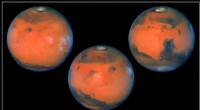
* Planets: The composition of planets varies greatly. For example, rocky planets like Earth are primarily composed of iron, silicon, oxygen, and magnesium, while gas giants like Jupiter and Saturn are primarily composed of hydrogen and helium.
* Moons: The composition of moons also varies widely. Some moons, like Earth's Moon, are primarily composed of rock, while others, like Jupiter's moon Ganymede, are composed primarily of ice.
* Asteroids and Comets: These bodies are primarily composed of rock and ice, but they can also contain traces of other elements.
Important Note: The relative abundance of elements in the universe is not static. Elements heavier than hydrogen and helium are formed through nuclear fusion in the cores of stars and during supernova explosions.
So, while the universe is primarily made up of hydrogen and helium, the complex interplay of elements is responsible for the incredible diversity we see in celestial bodies!