1. Reflected Sunlight:
* Planets don't emit their own light. Instead, they reflect sunlight.
* The amount of light a planet reflects depends on its size, composition, and reflectivity (called albedo).
* For example, Venus is very bright because its dense, cloudy atmosphere reflects a lot of sunlight.
2. Position in the Sky:
* Planets are visible when they are in a position in the sky where sunlight can reach them and reflect towards Earth.
* This means they need to be positioned opposite the Sun from Earth's perspective.
3. Distance from Earth:
* The closer a planet is to Earth, the brighter it appears.
* This is why Venus, being our closest planetary neighbor, is often the brightest planet in the sky.
4. Time of Night:
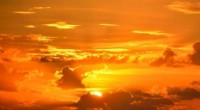
* Planets are most visible when the Sun is below the horizon, meaning during the night or twilight.
* However, some planets can be visible during the day, depending on their position relative to the Sun.
5. Darkness of the Sky:
* The amount of light pollution and other sources of light in the night sky can affect how visible planets are.
* Planets are easier to spot in areas with less light pollution.
In Summary: Planets are visible because they reflect sunlight towards Earth. Their brightness depends on factors like their size, composition, and distance from Earth. They are most easily seen when the Sun is below the horizon and the sky is dark.