1. Lack of Material:
* Insufficient Density: A cloud of gas and dust needs to be dense enough for gravity to overcome internal pressure and pull material together. If the density is too low, the cloud will simply disperse.
* Depletion of Material: Once star formation starts in a region, it can consume the available gas and dust, making it difficult for further stars to form.
2. External Forces:
* Supernovae: The powerful explosions of dying stars can disrupt nearby molecular clouds, dispersing the gas and dust needed for star formation.
* Galactic Winds: Strong winds from massive stars or active galactic nuclei can also blow away material, preventing new stars from forming.
* Magnetic Fields: Strong magnetic fields within molecular clouds can inhibit the collapse of gas and dust, making it difficult for stars to form.
3. Internal Dynamics:
* Turbulence: Turbulence within a molecular cloud can prevent the gas from settling and collapsing into dense cores.
* Rotation: Rapid rotation of a collapsing cloud can cause it to fragment into smaller pieces, potentially preventing the formation of a single, large star.
* Radiation Pressure: Stars already formed in a cloud can emit powerful radiation that can push away surrounding material, hindering further star formation.
4. Chemical Composition:
* Abundance of Heavy Elements: The presence of heavier elements like oxygen, carbon, and nitrogen can affect the rate and efficiency of star formation.
* Dust Content: Dust grains play a crucial role in cooling the collapsing gas, which is necessary for star formation. A lack of dust can hinder the process.
5. Feedback Mechanisms:
* Outflows: Newly formed stars often eject powerful jets of material, which can disrupt the surrounding gas and dust, preventing further star formation.
* Radiation Pressure: As mentioned above, radiation from stars can also push away surrounding material, hindering further star formation.
6. Environmental Factors:
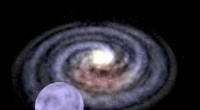
* Galaxy Type: Star formation rates vary significantly between different types of galaxies, with spiral galaxies typically having higher rates than elliptical galaxies.
* Location within the Galaxy: Star formation is more common in the spiral arms of galaxies, where there is more gas and dust available.
It's important to remember that these are just some of the major complications that can affect star formation. The process is incredibly complex, and the interplay of these factors can lead to a wide range of outcomes.