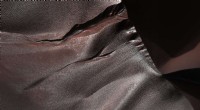
* A gray, barren, and cratered surface.
* It has no atmosphere, which is why it looks so stark and devoid of color.
* It's covered in dust and rocks, with many craters and mountains formed by impacts from asteroids and meteoroids.
* The darker areas are called maria, which are ancient volcanic plains filled with solidified lava.
* The brighter areas are called highlands, which are older, heavily cratered terrain.
The phases of the Moon:
What we see as the different phases of the Moon is simply the amount of sunlight reflecting off its surface that we can see from Earth.
* New Moon: The Moon is invisible because it's between the Earth and the Sun, and the sunlit side is facing away from us.
* Waxing Crescent: A thin sliver of the Moon becomes visible on the right side.
* First Quarter: Half of the Moon is illuminated, and it appears as a half-circle on the right.
* Waxing Gibbous: More than half of the Moon is illuminated, and it's getting fuller.
* Full Moon: The entire face of the Moon is illuminated, and it appears as a full circle.
* Waning Gibbous: More than half of the Moon is illuminated, but it's getting smaller.
* Last Quarter: Half of the Moon is illuminated, and it appears as a half-circle on the left.
* Waning Crescent: A thin sliver of the Moon remains visible on the left.
So, while the Moon's true appearance is gray and barren, its changing phases create a mesmerizing display in the sky.