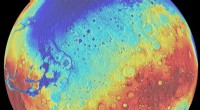
* Craters: The Moon is covered in craters of all sizes, from tiny pits to massive impact basins hundreds of kilometers wide. These craters are direct evidence of meteoroid impacts throughout its history.
* Regolith: The Moon's surface is covered in a layer of shattered rock and dust called regolith. This regolith is formed by countless impacts, grinding down the surface over billions of years.
* Maria: The dark, smooth plains called maria are actually ancient impact basins that were later filled with volcanic lava. While the lava smoothed out the surface, the edges of the basins and the surrounding highlands still show clear evidence of heavy bombardment.
Why it might seem like less bombardment:
* No atmosphere: The Moon has no atmosphere to burn up meteoroids, so even small ones can impact the surface. This creates a lot of small craters, which are less noticeable than the large ones.
* Time: The bombardment is less intense now than in the early solar system. This is because the vast majority of leftover debris from the formation of the planets has been cleared out over time.
* Relative size: We're used to seeing the Moon's surface from afar. It's a lot easier to see a crater than to notice a tiny change in texture caused by countless tiny impacts.
Overall, the Moon is a textbook example of heavy meteoroid bombardment. It's just that the evidence is spread across the entire surface, rather than being concentrated in a few obvious events.