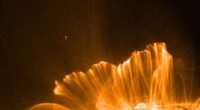
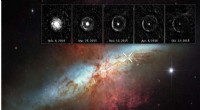
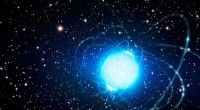
* Stars: Stars are massive balls of hot gas that produce their own light and heat through nuclear fusion. They are the powerhouses of the universe, fusing hydrogen into helium and releasing incredible amounts of energy in the process.
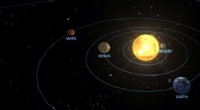
* Planets: Planets are large celestial bodies that orbit stars. They don't produce their own light, but instead reflect light from the star they orbit. They are typically made up of rock, gas, or ice.
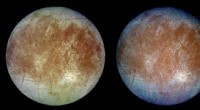
* Moons: Moons are natural satellites that orbit planets. Like planets, they reflect light from their host star. They come in various sizes and compositions.
* Asteroids: Asteroids are rocky, irregularly shaped objects that orbit the Sun, mainly located in the asteroid belt between Mars and Jupiter. They are much smaller than planets and don't produce their own light.
* Comets: Comets are icy bodies that orbit the Sun in highly elliptical paths. When they get close to the Sun, the ice vaporizes, forming a glowing tail of gas and dust. They are often described as "dirty snowballs."
In summary:
* Stars shine because they produce their own light and heat through nuclear fusion.
* Planets, moons, asteroids, and comets reflect light from stars.
So, while all these celestial objects are part of our universe, they differ in how they interact with light and energy.