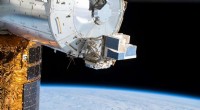
* Location of the ISS: The ISS's brightness varies depending on its position relative to the Sun and Earth.
* Location of the observer: The ISS's apparent brightness changes based on the observer's location.
* Time of observation: The ISS is only visible during certain times of day or night.
Generally, Venus is brighter than the ISS, but there are times when the ISS can appear brighter than Venus.
Here's a breakdown:
* Venus: Venus is the brightest natural object in the night sky (after the Moon), with an apparent magnitude of around -4. It's often visible even in twilight conditions.
* ISS: The ISS's apparent magnitude can range from -6 to -2, depending on its orientation and altitude. This means it can potentially be brighter than Venus at times. However, these brighter appearances are fleeting and unpredictable.
In conclusion: While Venus is generally brighter, the ISS can occasionally appear brighter than Venus, especially when it's directly illuminated by the Sun and passing overhead. However, this is not a consistent phenomenon.
To find out if the ISS is brighter than Venus tonight, you can use resources like:
* NASA's Spot the Station website: This website provides information on ISS visibility from your location.
* Satellite tracking apps: Apps like ISS Spotter or Heavens Above can provide real-time updates on the ISS's brightness and position.