For measuring different types of electromagnetic radiation:
* Spectrometers: These instruments measure the intensity of light at different wavelengths. They can be used to identify the types of atoms and molecules present in space.
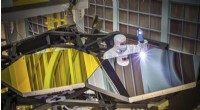
* Telescopes: Different types of telescopes are designed to detect different wavelengths of light. For example, radio telescopes detect radio waves, optical telescopes detect visible light, and X-ray telescopes detect X-rays.
* Gamma-ray detectors: These instruments detect high-energy gamma rays emitted by objects like supernovae and black holes.
For measuring particles:
* Particle detectors: These instruments can measure the energy, momentum, and type of charged particles, such as cosmic rays.
* Geiger counters: These are simple instruments that can detect ionizing radiation, such as beta particles and gamma rays.
* Dosimeters: These measure the total radiation exposure received by a person or instrument.
The specific instruments used to measure radiation in space vary depending on the mission's objectives. For example, a mission studying the Sun might use a solar observatory equipped with spectrometers and X-ray detectors. A mission exploring a distant galaxy might use a radio telescope to study the galaxy's radio emissions.