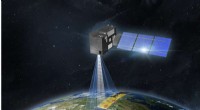
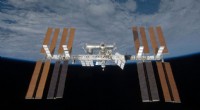
* Orbital Mechanics: A satellite in orbit is constantly falling towards Earth due to gravity. However, its horizontal velocity is so high that it constantly "misses" the Earth as it falls. This continuous falling, combined with its forward speed, creates a curved path around the planet – an orbit.
* Atmospheric Drag: While the atmosphere gets thinner with altitude, it doesn't completely disappear. A satellite experiences some drag from the remaining air molecules. This slows it down slightly over time, which can cause it to eventually lose altitude and re-enter the atmosphere.
* Orbital Altitude: Satellites are placed in orbits high enough that the atmospheric drag is minimal. This allows them to stay in orbit for extended periods.
Imagine throwing a ball:
* If you throw a ball horizontally, it will eventually fall to the ground.
* If you throw it harder, it will travel further before falling.
* If you could throw it fast enough, it would travel so far that the Earth's curvature would match the path of the ball, and it would continue circling the Earth – that's basically how a satellite works!
Key Points:
* Gravity: Keeps the satellite bound to Earth.
* Velocity: The satellite's horizontal speed is crucial for maintaining orbit.
* Orbital Altitude: The higher the altitude, the thinner the atmosphere and the less drag the satellite experiences.
So, a satellite doesn't fly off into space because it's constantly falling towards Earth while moving fast enough horizontally to stay in a circular path around it.