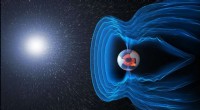
* Earth's Rotation: As the Earth rotates, different parts of the planet face the direction of our solar system's motion. In the early morning hours, your location faces directly into the stream of space dust and debris that causes meteor showers. This is like driving into a swarm of bugs; you hit more of them head-on.
* Darkness: The darkness of night allows for a clearer view of the faint streaks of light produced by meteors. Even though meteors are constantly entering our atmosphere, their faint glow is easily drowned out by the brightness of the sun during the day.
* Light Pollution: City lights can significantly reduce the number of visible meteors. Moving away from city lights, to a dark sky location, will dramatically increase your chances of seeing them.
* Meteor Shower Peaks: While meteors occur constantly, certain times of the year see meteor showers, where the Earth passes through a denser stream of debris left behind by comets. These showers often have peak times, and these peaks often coincide with the pre-dawn hours.
Here's an analogy: Imagine you're standing on the side of a road, watching cars drive by. You'll see more cars if you're looking in the direction they're travelling towards. Similarly, we see more meteors in the early morning hours because we're looking directly into the stream of debris our planet is travelling through.
In summary: While meteors constantly enter the Earth's atmosphere, the pre-dawn hours offer the best viewing conditions because of Earth's rotation, the darkness of the night, and the increased chance of a meteor shower peak.