1. Core: This is the Sun's innermost region, where nuclear fusion occurs. It's incredibly dense and hot, reaching temperatures of 27 million degrees Fahrenheit. This is where hydrogen atoms fuse to form helium, releasing vast amounts of energy that power the Sun.
2. Radiative Zone: Surrounding the core, this zone is where energy from the core travels outward as electromagnetic radiation (light and heat). The process is slow, taking millions of years for energy to reach the next layer.
3. Convective Zone: This is the outermost layer of the Sun's interior. Here, energy is transported by the movement of hot gas. Think of boiling water, where hot bubbles rise and cooler ones sink. This process is much faster than radiation.
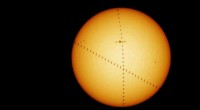
4. Photosphere: This is the visible surface of the Sun. It's the layer we see with our naked eyes (or through special filters). The photosphere is about 300 miles (500 km) thick and is responsible for emitting the light and heat we receive on Earth.
While these are the main parts, the Sun also has an atmosphere consisting of the following layers:
* Chromosphere: A thin layer above the photosphere, visible during solar eclipses.
* Corona: The outermost layer of the Sun's atmosphere, extending millions of miles into space.
It's important to note that the Sun is a dynamic and complex system, constantly changing and interacting with its surroundings.