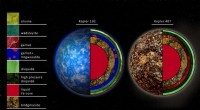
* The Earth's core is incredibly hot: The Earth's core is estimated to be around 5,200° Celsius (9,392° Fahrenheit) due to radioactive decay and gravitational pressure.
* The sun's radiation only reaches the surface: The sun's heat primarily affects the Earth's surface and atmosphere. This heat does not penetrate deep enough to influence the core.
* Earth's insulation: The Earth's mantle acts as a thick layer of insulation, preventing the surface heat from reaching the core.
However, the sun does play an indirect role in the Earth's core temperature:
* Plate tectonics: The sun's energy drives weather patterns, which in turn influence erosion and plate movement. These movements contribute to the Earth's internal heat generation through friction.
* Magnetic field: The sun's magnetic activity can generate solar flares and coronal mass ejections, which can influence the Earth's magnetic field. While this doesn't directly change core temperature, it does impact the Earth's internal dynamics.
In summary, while the sun's radiation is crucial for life on Earth's surface, it does not directly affect the temperature of the Earth's core. The core's heat comes from internal processes, and the sun's influence is indirect and limited.