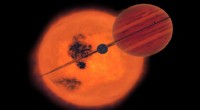
* Star: A star is a giant ball of hot gas that produces its own light and heat through nuclear fusion. Stars are the fundamental building blocks of galaxies, and there are countless stars in the universe.
* Constellation: A constellation is a group of stars that appear to form a pattern when viewed from Earth. These patterns are based on the perceived proximity of stars in the night sky, but the stars themselves are not physically connected. They are just located in the same general direction from our perspective.
Think of it this way:
* A star is like a single light bulb.
* A constellation is like a group of light bulbs arranged to form a picture.
Here's a helpful analogy: Imagine you're looking at a city skyline at night. The individual lights on buildings are like stars. If you see a group of lights forming the shape of a "W," that's a constellation.
Key Points:
* Stars are real objects. They are massive balls of gas in space.
* Constellations are human-made patterns. They are simply how we perceive the arrangement of stars from Earth.
* Different cultures have different constellations. The patterns we see are subjective.
Let me know if you have any other questions!