Moon:
* Natural satellite: Formed naturally and often through accretion of smaller bodies around a planet.
* Specific to planets: Moons orbit planets.
* Examples: Earth's Moon, Jupiter's moons (Europa, Ganymede, etc.)
Satellite:
* Broader term: Includes both natural moons and artificial objects launched into orbit around a planet, star, or other celestial body.
* Can be natural or artificial:
* Natural satellites: Moons fall under this category.
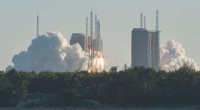
* Artificial satellites: Man-made objects launched into space for various purposes like communication, navigation, observation, etc.
* Orbit various objects: Satellites can orbit planets, stars, even other satellites.
In summary:
* All moons are satellites, but not all satellites are moons.
* "Moon" is specifically for natural bodies orbiting planets.
* "Satellite" is a broader term that encompasses both natural and artificial objects in orbit.