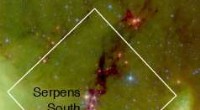
A nebula is a giant cloud of gas and dust in space, often acting as a cosmic nursery where stars are born and sometimes where they die. Here's how it works:
1. The Ingredients:
* Gas: Mostly hydrogen and helium, the building blocks of stars.
* Dust: Tiny particles of heavier elements like carbon, silicon, and iron.
2. Gravity's Pull:
* Gravity pulls the gas and dust particles closer together.
* As they gather, they create a denser region within the nebula.
3. Heating Up:
* As more material gathers, the pressure and temperature at the core increase.
* This heat causes the gas to glow, creating the characteristic colors we see in nebulae.
4. Star Birth:
* If the temperature and pressure become high enough, nuclear fusion ignites at the core.
* A star is born, radiating light and heat into the surrounding nebula.
* The radiation from newborn stars can sculpt and illuminate the remaining gas and dust, creating stunning shapes and colors.
5. Different Types:
* Emission Nebula: Glows brightly due to energy from nearby stars.
* Reflection Nebula: Reflects light from nearby stars.
* Dark Nebula: Opaque and dense, blocking light from behind.
* Planetary Nebula: Formed when a dying star sheds its outer layers.
6. The Cycle Continues:
* As the nebula evolves, the star's radiation can push the remaining gas and dust away, creating a cavity or expanding bubble.
* This material can coalesce to form new stars, continuing the cycle of star birth and death.
7. More Than Just Star Birth:
* Nebulae are also involved in the creation of planets, comets, and other celestial objects.
* They play a key role in enriching the interstellar medium with heavy elements.
In short, nebulae are dynamic and fascinating objects that are crucial to the life cycle of stars and the evolution of the universe. They are cosmic playgrounds where the building blocks of stars and planets come together.