Planets:
* Large celestial bodies that orbit a star.
* They have cleared their orbital path of other objects.
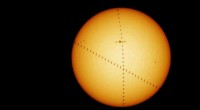
* Our solar system has 8 planets: Mercury, Venus, Earth, Mars, Jupiter, Saturn, Uranus, and Neptune.
Dwarf planets:
* Similar to planets, but they haven't cleared their orbital path of other objects.
* Examples include Pluto, Eris, and Ceres.
Asteroids:
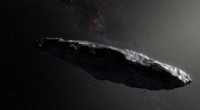
* Small, rocky bodies that orbit the sun, primarily located in the asteroid belt between Mars and Jupiter.
* They are much smaller than planets.
Comets:
* Icy bodies that orbit the sun in highly elliptical paths.
* They release gas and dust as they approach the sun, creating a visible tail.
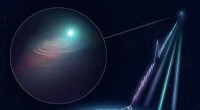
Exoplanets:
* Planets that orbit stars outside our solar system.
* They have been discovered by observing the effect they have on their host star.
It's important to note that these are just the most common objects found orbiting stars. There are many other smaller objects, such as moons, satellites, and space debris, that also orbit stars.