The Moon:
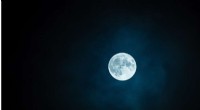
* Reflected Sunlight: The Moon doesn't emit its own light. It reflects sunlight. The amount of sunlight it reflects depends on its phase (how much of its illuminated surface is facing Earth). A full moon appears brightest because we see the entire illuminated side.
* Surface Reflectivity: The Moon's surface has a relatively low reflectivity, meaning it absorbs a good amount of light. However, it still reflects enough to appear bright in the darkness of the night sky.
Planets:
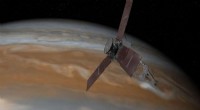
* Reflected Sunlight: Like the Moon, planets also reflect sunlight. They are much farther away than the Moon, so the light reaching Earth is much weaker.
* Size and Reflectivity: Planets vary in size and surface composition, which affects their reflectivity. Some planets, like Venus, have very reflective atmospheres and appear very bright. Others, like Mars, are less reflective and appear fainter.
* Distance from the Sun: Planets closer to the Sun receive more sunlight and therefore appear brighter.
Why they appear bright at night:
* Contrast: The darkness of the night sky makes the relatively faint light from the Moon and planets stand out more prominently. We perceive them as bright because there's little other light to compete with.
* Atmospheric Scattering: The Earth's atmosphere can also scatter light, which can make objects appear brighter. This is why stars can twinkle and planets can appear to change in brightness.
Important Note: The "brightness" of celestial objects can be subjective. It depends on factors like atmospheric conditions, observer location, and the sensitivity of our eyes.