Gravity: The Earth's gravity pulls on the moon, keeping it in orbit. The moon's inertia (tendency to move in a straight line) prevents it from falling directly onto Earth. This balance between gravity and inertia creates the circular path we observe.
Formation: Early in the solar system, a Mars-sized object likely collided with Earth, ejecting a massive amount of debris. This debris eventually coalesced into the moon. Its initial trajectory and velocity set the stage for its orbit around Earth.
Effects of the Moon's Orbit:
* Tides: The moon's gravity pulls on Earth's oceans, creating high tides on the side facing the moon and on the opposite side. This gravitational interaction influences ocean currents and coastal ecosystems.
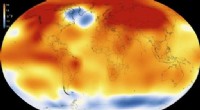
* Stability of Earth's Axis: The moon's gravitational influence helps stabilize Earth's axis, preventing extreme variations in our climate over long periods.
* Evolution of Life: The moon's influence on tides might have played a role in the early evolution of life, creating tidal pools where life could have originated.
Ultimately, the moon's orbit is a natural phenomenon without a designated purpose. However, its existence has profound implications for life on Earth, shaping our oceans, stabilizing our climate, and potentially influencing the course of evolution.