1. Orbit a Star: This is the defining characteristic of a planet. They orbit a star due to its gravitational pull. The path they take is called an orbit, and it's usually elliptical.
2. Reflect Light: Planets don't emit their own light. Instead, they reflect the light from their star, making them visible to us.
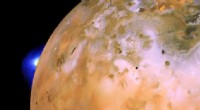
3. Have Gravity: Like all objects with mass, planets have gravity. This gravity holds their atmospheres (if they have any) and any moons that orbit them.
4. Interact with Other Celestial Bodies: Planets can affect each other through their gravitational pull. This can cause changes in their orbits or even lead to collisions.
5. Influence the Formation of Other Objects: Planets can play a role in the formation of other objects in their system, like moons, asteroids, and comets.
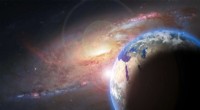
6. Can Harbor Life (in some cases): While not all planets can support life, some do. The conditions necessary for life are very specific, and our Earth is a perfect example.
7. Contribute to the Evolution of their Systems: As planets orbit their star, they can influence the distribution of matter in their system, shaping the evolution of the entire system over millions or billions of years.
In essence, planets are celestial bodies that move through space, reflecting light and influencing their surroundings. They are fascinating objects that help us understand the universe and our place in it.