* Rayleigh Scattering: The primary reason the sky appears blue during the day is due to a phenomenon called Rayleigh scattering. Sunlight contains all colors of the rainbow. When sunlight enters the Earth's atmosphere, shorter wavelengths of light (blue and violet) are scattered more effectively by the tiny molecules in the air. This scattered blue light reaches our eyes from all directions, making the sky appear blue.
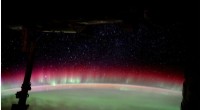
* Longer Path Through the Atmosphere: As the sun sets, its light has to travel through a longer path in the atmosphere to reach us. This longer path means that more blue light is scattered away.
* Remaining Colors: The longer wavelengths of light (red, orange, and yellow) are not scattered as easily. They travel through the atmosphere and reach our eyes, creating the vibrant sunset colors.
* Dust and Water Vapor: Dust particles and water vapor in the atmosphere can also contribute to the scattering of light, enhancing the intensity of sunset colors.
In summary: The sky appears blue during the day due to the scattering of blue light. During sunset, the longer path of sunlight through the atmosphere causes more blue light to be scattered, leaving behind the warmer colors we see.