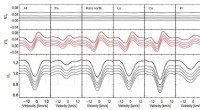
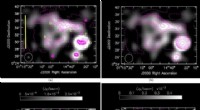
1. Turning Data into Meaningful Information: Meteorologists gather vast amounts of data from various sources like weather stations, satellites, and radar. This raw data itself is often just a collection of numbers and images. Interpretation transforms this raw data into meaningful information that can be used to understand current weather conditions, forecast future weather patterns, and issue warnings for hazardous events.
2. Understanding Complex Atmospheric Processes: The atmosphere is a complex system with many interconnected variables influencing weather patterns. Interpretation requires meteorologists to analyze the data and consider how these variables interact. They need to understand why certain weather patterns are occurring, how they might evolve, and what factors could influence their development.
3. Communicating Effectively with the Public: Meteorologists need to communicate their findings clearly and accurately to the public, who rely on them for weather information. Interpretation helps them translate complex scientific concepts into understandable language, allowing people to make informed decisions based on the weather forecast.
4. Predicting Future Weather: Weather forecasting relies heavily on interpretation. Meteorologists use data from various sources to run weather models, but these models only provide raw output. Interpretation is key to understanding the model output, identifying potential biases, and making accurate predictions about future weather conditions.
5. Making Informed Decisions: Interpretation helps meteorologists make crucial decisions related to public safety. For example, they might use data and interpretation to issue warnings for severe storms, flooding, or extreme temperatures, allowing people to take precautions and stay safe.
6. Advancing Scientific Understanding: Interpretation not only helps meteorologists understand current weather events but also contributes to the broader field of meteorology. By analyzing data and drawing conclusions, they can identify patterns and trends, develop new theories, and improve our overall understanding of the atmospheric system.
In short, interpretation acts as a bridge between raw data and actionable knowledge in meteorology. It is essential for understanding weather patterns, making accurate forecasts, communicating effectively with the public, and ensuring public safety.