1. Observing Distant Objects:
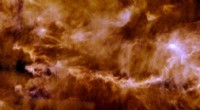
* Deep Space Imaging: Captures incredibly detailed images of distant galaxies, nebulae, and other celestial bodies, revealing their structure, composition, and evolution.
* Cosmic Distances: Measures the distances to distant objects, contributing to our understanding of the size and expansion of the universe.
2. Studying the Evolution of Stars and Galaxies:
* Star Formation: Observes the processes of star birth and death, providing insights into how stars form and evolve over time.
* Galaxy Evolution: Studies the formation and development of galaxies, shedding light on the universe's history and structure.
3. Investigating Exoplanets:
* Exoplanet Atmospheres: Analyzes the atmospheres of exoplanets, searching for signs of life and understanding their composition.
* Exoplanet Detection: Helps identify and characterize planets orbiting other stars.
4. Exploring the Solar System:
* Planetary Surfaces: Observes the surfaces of planets and moons, revealing their geology and composition.
* Cometary Activity: Studies comets, providing data about their composition and behavior.
5. Observing the Early Universe:
* Cosmic Microwave Background: Captures images of the faint afterglow of the Big Bang, providing evidence for the universe's origin and evolution.
Key Features of the HST:
* Orbiting Above Earth's Atmosphere: Provides a clear view of the cosmos, free from atmospheric distortion.
* Large, Precise Mirror: Captures faint light from distant objects with exceptional clarity.
* Advanced Instruments: Equipped with cameras, spectrographs, and other instruments that capture and analyze light from celestial objects.
* Regular Servicing Missions: Allows for upgrades and repairs, ensuring the telescope remains operational and cutting-edge.
The Hubble Space Telescope has made groundbreaking discoveries and transformed our understanding of the universe. It continues to be a vital tool for astronomers worldwide, revealing the secrets of the cosmos and inspiring generations to explore the vast unknown.