Here's why:
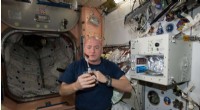
* Weightlessness in space: Astronauts in space experience weightlessness because they are constantly falling around the Earth. There's no surface to push against, so they don't feel the sensation of gravity.
* Simulating gravity: The spinning space station creates a centrifugal force that pushes the occupants outwards. This force acts like gravity, pulling them towards the outer ring of the station.
* Benefits of artificial gravity: Artificial gravity is essential for long-duration space missions. It helps to:
* Maintain bone density: Weightlessness weakens bones, so artificial gravity helps keep them strong.
* Improve circulation: Artificial gravity helps prevent cardiovascular problems that can arise from prolonged weightlessness.
* Enhance psychological well-being: A sense of gravity can make space travel more comfortable and reduce the psychological stress of weightlessness.
Note: The spinning space station in 2001 is a fictional concept. While we have not yet built such a station, the idea of using centrifugal force for artificial gravity is a realistic one being explored by scientists and engineers.