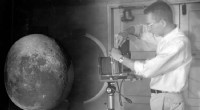
* Rough Surface: The moon's surface is covered in craters, mountains, and dust, making it very rough. This rough surface scatters sunlight in all directions, causing us to see it from Earth.
* No Atmosphere: Unlike Earth, the moon has no atmosphere to absorb or scatter sunlight. This means that all the sunlight that hits the moon's surface is reflected back into space, with very little being absorbed.
* Low Gravity: The moon's low gravity prevents it from holding onto any atmosphere. This further contributes to the lack of absorption of sunlight and a higher amount of reflection.
* Dark Sky: When we see the moon, it's against the backdrop of a dark sky. This contrast makes the reflected sunlight appear even brighter.
So, while the moon appears to be glowing, it's actually just a giant mirror, reflecting the sun's light back to us.