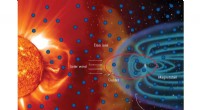
* Sunlight: The sun is a giant ball of fire, constantly emitting light and heat.
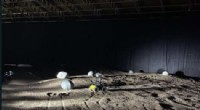
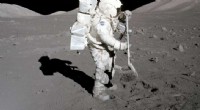
* Reflection: The moon's surface is covered in dust and rock. When sunlight hits this surface, some of it is absorbed, and some of it is reflected back into space.
* What we see: The reflected sunlight is what we see as moonlight.
Think of it like a mirror: A mirror doesn't produce light, it just reflects the light that shines on it. The moon is like a giant mirror in space, reflecting the sun's light towards us.
Why does it seem brighter at times?
* Moon phases: The moon goes through different phases, like a crescent, half-moon, and full moon. The amount of sunlight reflected back to Earth changes depending on the phase. A full moon reflects the most sunlight, making it appear brighter.
* Distance: The moon's orbit around Earth is slightly elliptical, meaning it's not always the same distance from us. When the moon is closer, it appears brighter.
So, next time you look up at the moon, remember it's not actually shining on its own. It's a beautiful, giant reflector, reflecting the sun's light and illuminating our night sky.