What Makes Stars Shine?
* Nuclear Fusion: Stars shine because of nuclear fusion happening in their core. This process combines lighter elements like hydrogen into heavier elements like helium, releasing immense energy in the form of light and heat.
The Stellar Life Cycle & The End:
* Main Sequence: Stars spend most of their lives in the main sequence stage, where they are stable and fuse hydrogen into helium. This is where we see the stars we know.
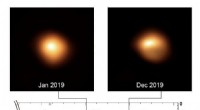
* Red Giant: Eventually, the hydrogen fuel in the core runs out. The star expands and cools, becoming a red giant. Depending on its size, a star may fuse heavier elements like carbon and oxygen.
* White Dwarf: For smaller stars like our Sun, the red giant stage is followed by the ejection of its outer layers as a planetary nebula. The remaining core collapses into a dense, hot, and very small white dwarf. White dwarfs slowly cool down over trillions of years, eventually becoming black dwarfs.
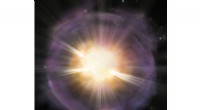
* Supernova: Larger stars, after the red giant stage, experience a catastrophic supernova explosion. This explosion disperses the star's material into space, creating beautiful nebulae.
* Neutron Star or Black Hole: The core of a massive star that explodes as a supernova can collapse further, forming either a neutron star (a super dense object composed of neutrons) or a black hole (an object with such strong gravity that even light cannot escape).
Why Do Stars Dim and Eventually Stop Shining?
* Fuel Depletion: The core of a star eventually runs out of hydrogen fuel for fusion, causing the energy output to decrease.
* Expansion and Cooling: Stars expand and cool during the red giant stage, leading to lower surface temperature and less intense light emission.
* Gravitational Collapse: As fuel runs out, the star's core contracts due to gravity. This leads to a reduction in the rate of nuclear fusion and the release of light.
* Death of the Star: When the star eventually exhausts its fuel completely, it can no longer sustain fusion and its light fades away.
In essence, the stars we see are all at various stages of their life cycles. The ones we see shining brightly are in their prime, while others are slowly dimming and approaching the end of their lives.