Here's why the moon seems so bright, while objects on Earth don't:
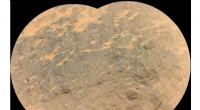
* The Moon's Surface: The moon's surface is covered in dust and rock, which are very good reflectors of light. They scatter the sunlight that hits them in all directions, making the moon appear bright.
* No Atmosphere: The moon has no atmosphere to absorb or scatter light. This means that the light that reaches the moon is reflected directly back to Earth.
* Earth's Surface: Earth's surface is much more complex than the moon's. We have oceans, forests, buildings, and many other things that absorb or scatter light in different ways. This makes the reflection less focused and less intense.
* Our Eyes: Our eyes are also sensitive to the brightness of the moon. We see the moon as a large, luminous object in the sky because it's reflecting a lot of sunlight towards us.
Think of it this way:
* Moon: A big, dusty mirror reflecting a lot of sunlight directly back at you.
* Earth: A complex surface with many different materials, absorbing and scattering light in many directions.
So, while things on Earth do reflect light, it's not as noticeable as the moon's reflection because of these factors.