Here's a breakdown of the key differences:
Inner Planets (Terrestrial Planets):
* Composition: Primarily composed of rock and metal.
* Size: Relatively small and dense.
* Distance from the Sun: Closer to the Sun.
* Atmosphere: Thin or nonexistent.
* Moons: Few or no moons.
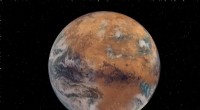
* Examples: Mercury, Venus, Earth, Mars
Outer Planets (Jovian Planets):
* Composition: Primarily composed of gas (hydrogen and helium) and ice.
* Size: Large and less dense.
* Distance from the Sun: Farther from the Sun.
* Atmosphere: Thick and extensive.
* Moons: Many moons.
* Examples: Jupiter, Saturn, Uranus, Neptune
Why the division is helpful:
This division helps us understand the formation and evolution of our solar system. The inner planets formed closer to the Sun, where it was hotter, and therefore heavier elements like rock and metal could condense. The outer planets formed farther out, where it was colder and lighter elements like hydrogen and helium could condense.
Key Takeaway:
This classification provides a useful framework for understanding the diverse nature of the planets in our solar system and the processes that led to their formation.