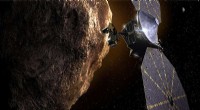
* Brightness: Satellites are relatively small and don't produce their own light. They are only visible because they reflect sunlight. The amount of reflected light depends on their size, shape, and surface material. Most satellites are simply too small and too dark to be seen from Earth.
* Distance: 300 km might sound close, but it's still incredibly far away. Think about how small a car looks from a few kilometers away – now imagine it 300 times further!
* Atmospheric interference: The Earth's atmosphere scatters and absorbs light, further reducing the visibility of satellites.
Here's what you can do to increase your chances of seeing a satellite:
* Find a dark location: Light pollution from cities makes it very difficult to see faint objects in the sky. Head to a rural area with minimal light.
* Use a satellite tracking app: Apps like "Star Walk 2" or "ISS Spotter" can help you locate satellites and predict their trajectory.
* Know when to look: The best time to see satellites is shortly after sunset or before sunrise. At these times, the sun is low in the sky, illuminating the satellites while the ground is relatively dark.
* Look for bright objects moving across the sky: Satellites typically appear as bright, fast-moving points of light. They often move in a straight line, unlike airplanes that typically follow curved paths.
Even with these tips, it's important to remember that seeing a satellite with the naked eye is still a challenge. You may need to be patient and persistent!
Important Note: The International Space Station (ISS) is one of the few satellites that are easily visible to the naked eye. It's a large and reflective object that orbits at a relatively low altitude (around 400 km).