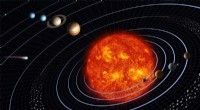
* Mercury is a very close planet to the Sun. This means it's always near the Sun in our sky, either just before sunrise or just after sunset.
* Mercury is a small planet. It's difficult to see even when it's at its brightest.
When to look:
* Just before sunrise: Look for Mercury low in the eastern sky, about 30-45 minutes before the sun rises.
* Just after sunset: Look for Mercury low in the western sky, about 30-45 minutes after the sun sets.
Best times of year:
* Best time for morning visibility: April/May and September/October
* Best time for evening visibility: January/February and June/July
Important factors:
* Clear sky: You'll need a clear, unobstructed horizon to see Mercury.
* Light pollution: Avoid areas with lots of artificial light.
* Binoculars or a telescope: These can help you see Mercury more easily.
Websites and apps:
* Stellarium: This free astronomy software can show you where Mercury will be in the sky at any given time.
* SkySafari: This app provides detailed information about planets and other celestial objects.
* NASA's website: You can find information about upcoming Mercury visibility on NASA's website.
Keep in mind that Mercury is a challenging planet to spot, so don't be discouraged if you don't see it right away. Be patient and keep trying, and you may be rewarded with a glimpse of this elusive world!