1. Distance from the Sun:
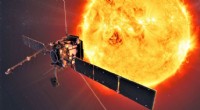
* Temperature: Objects closer to the Sun are hotter, while those farther away are colder. This affects the types of materials that can condense and form planets.
* Solar radiation: The intensity of solar radiation decreases with distance, affecting the atmosphere and surface features of planets and moons.
2. Composition and Formation:
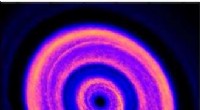
* Dust and Gas: The composition of the protoplanetary disk, the cloud of gas and dust from which the solar system formed, varied in different regions.
* Planetesimals: Small bodies called planetesimals accreted together to form larger objects. The composition and size of these planetesimals varied depending on their location.
* Volcanism: Volcanic activity on planets and moons can release gases and change their surface composition.
3. Gravitational Interactions:
* Planetary Migration: Planets can migrate from their initial formation locations due to gravitational interactions with other planets and the protoplanetary disk.
* Tidal forces: Gravitational pull between planets and their moons can create tidal heating, which can melt ice and create geological activity.
* Asteroid Impacts: Impacts from asteroids and comets can dramatically alter the surface features and atmospheres of planets and moons.
4. Atmospheric Processes:
* Composition: The composition of a planet's atmosphere depends on its formation and evolution. Gases can escape from the atmosphere due to solar radiation or volcanic activity.
* Weather: Atmospheric processes like storms, winds, and precipitation shape the surface of planets.
5. Internal Heating:
* Radioactive decay: Radioactive elements within planets and moons generate heat, which can drive geological processes.
* Tidal heating: Gravitational interaction with other objects can cause internal heating.
6. Magnetic Fields:
* Dynamo Effect: Planets with molten cores generate magnetic fields that protect them from solar radiation.
* Solar wind: The solar wind, a stream of charged particles from the Sun, interacts with planetary magnetic fields, creating auroras and other phenomena.
These factors have combined over billions of years to create the diverse and fascinating array of objects we observe in the solar system. Each planet, moon, asteroid, and comet has its own unique story to tell.