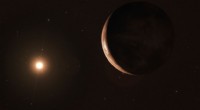
* The moon reflects sunlight: The moon itself doesn't emit light, it reflects sunlight.
* Different angles of illumination: As the moon orbits Earth, the angle at which sunlight hits the moon changes. This causes the illuminated portion of the moon that we see from Earth to appear to change shape.
The different phases of the moon are:
* New Moon: The moon is between the sun and Earth, so we can't see any illuminated portion.
* Waxing Crescent: A small sliver of the moon becomes visible, growing larger each night.
* First Quarter: Half of the moon is illuminated, appearing as a half-circle.
* Waxing Gibbous: More than half of the moon is illuminated, becoming fuller each night.
* Full Moon: The entire moon is illuminated, appearing as a bright circle.
* Waning Gibbous: The illuminated portion of the moon starts to decrease, appearing less full each night.
* Last Quarter: Half of the moon is illuminated again, but the lit side is now on the opposite side compared to the First Quarter.
* Waning Crescent: The illuminated portion continues to shrink until only a sliver remains.
This cycle of lunar phases takes about 29.5 days to complete.