1. Objects that emit light: This is the most common meaning. These objects produce their own light through various mechanisms:
* Stars: They generate light through nuclear fusion in their cores.
* Light bulbs: They use electricity to heat a filament, which then emits light.
* Fireflies: They use chemical reactions to create light.
* Glow-in-the-dark objects: They absorb energy from light sources and then release it slowly as light.
* Screens: These emit light through the use of LEDs or other light-emitting technologies.
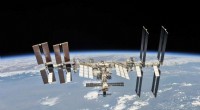
2. Objects that reflect light: These objects don't produce light themselves, but they reflect light from other sources.
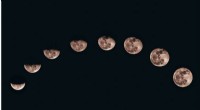
* The Moon: It reflects light from the Sun.
* Planets: They also reflect sunlight.
* Mirrors: They are designed to reflect light.
* Anything you see in the daytime: Everything reflects some light from the sun.
3. Objects that appear luminous due to their brightness: This refers to objects that might not be inherently light-emitting but appear very bright due to various factors:
* A distant star: It may be very bright, even if it's far away.
* A polished object: Its shiny surface can reflect a lot of light.
* A bright light source: Anything with a high intensity of light can make nearby objects seem luminous.
To help me understand what you're asking about, please give me more context. For example, are you interested in:
* Objects in the night sky?
* Objects used for lighting?
* Objects used in art or design?
* Objects with a particular property?
Let me know, and I can give you a more specific answer!