Here's a breakdown of the sizes and their effects:
* Dust-sized particles: These create the faintest meteors, sometimes barely visible.
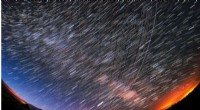
* Sand-sized particles: These create typical "shooting stars" that can be seen with the naked eye.
* Pebble-sized particles: These create brighter meteors that might leave a trail of smoke.
* Larger objects (fist-sized or bigger): These are less common and can create very bright meteors, known as bolides, that can sometimes leave debris on the ground.
It's important to remember that these are just estimates, and the size of a meteor can vary greatly. What matters most is the speed at which it enters the Earth's atmosphere. Even a small meteor can create a spectacular light show if it's traveling fast enough.