* Resolution depends on the context: Resolution is affected by factors like the wavelength of light being observed, the specific instrument used, and the processing techniques applied.
* Hubble constantly observes new objects: As Hubble continues its mission, new images with impressive resolution are taken.
However, some of Hubble's most remarkable images in terms of resolution include:
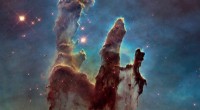
* The Pillars of Creation: This iconic image captured in 1995 showcases the incredible detail of gas and dust formations within the Eagle Nebula.
* The "Hubble Ultra Deep Field" (HUDF): This image taken in 2004 captured faint galaxies billions of light years away, revealing the universe in unprecedented detail.
* The "Hubble eXtreme Deep Field" (XDF): This image, built upon the HUDF, showed even fainter and more distant galaxies, pushing the limits of Hubble's capabilities.
The resolution of these images is incredible, showcasing the vastness and intricacy of space. However, newer telescopes like the James Webb Space Telescope have surpassed Hubble in certain aspects of resolution and imaging capabilities.
To truly understand the "highest resolution image" from Hubble, you'd need to consider the specific criteria being used to define resolution. For example, you might be interested in the smallest resolvable feature size, the detail captured in a particular wavelength, or the clarity of the image after processing.