Composition and Mineralogy:
* Elemental Composition: By analyzing the chemical composition of meteorites, scientists can determine the presence of different elements and their isotopes. This helps understand the building blocks of the solar system and the processes that formed them.
* Mineralogy: Meteorites can contain a variety of minerals, some of which are rare on Earth. Studying these minerals provides insights into the conditions under which they formed and the history of the parent body.
* Organic Molecules: Some meteorites contain organic molecules, including amino acids and hydrocarbons. This research helps understand the potential origins of life on Earth and the possibility of life elsewhere in the universe.
Origin and History:
* Parent Body: Scientists can identify the source of a meteor by studying its composition and structure. This allows them to link meteorites to specific asteroids, comets, or even planets.
* Age and Formation: Radioactive dating techniques help determine the age of meteorites and the time of their formation. This gives us a timeline of events in the early solar system.
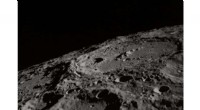
* Impact History: Studying impact craters and shock waves in meteorites can shed light on past impacts on Earth and other planets.
Other Insights:
* Cosmic Rays: Meteorites can be used to study cosmic rays, high-energy particles that bombard Earth from space. This helps us understand the radiation environment in the solar system.
* Solar Wind: Some meteorites contain traces of the solar wind, providing information about the composition and dynamics of the Sun's atmosphere.
* Climate Change: Studying the isotopic composition of certain elements in meteorites can help scientists reconstruct past climate conditions on Earth.
Examples of Famous Meteors and Their Discoveries:
* Murchison meteorite: This meteorite, found in Australia in 1969, contains a rich variety of organic molecules, including amino acids, which support the theory that life's building blocks could have come from space.
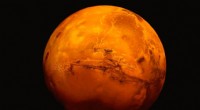
* Allan Hills 84001: This meteorite, found in Antarctica in 1984, contained what appeared to be microscopic fossils of ancient bacteria, sparking debate about the possibility of past life on Mars.
* Chelyabinsk meteor: This meteor, which exploded over Russia in 2013, provided data on the size, speed, and trajectory of near-Earth objects, helping scientists better understand the potential risks of asteroid impacts.
Overall, meteors are valuable time capsules from the early solar system, providing crucial information for understanding the formation and evolution of planets, the origin of life, and the history of our cosmic neighborhood.