Here's a breakdown:
* Star: The smallest of the options. Stars vary in size, but even the largest stars are significantly smaller than planets, galaxies, or globular clusters.
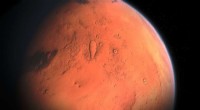
* Planet: Planets are larger than stars, but still much smaller than galaxies or globular clusters.
* Galaxy: Galaxies are vast collections of stars, gas, dust, and dark matter. They are much larger than individual stars or planets.
* Globular Cluster: Globular clusters are dense, spherical collections of thousands to millions of stars. They are much smaller than galaxies, but still contain more stars than any individual planet or star.
So, here's the order from smallest to largest:
1. Star
2. Planet
3. Globular Cluster
4. Galaxy
However, it's important to note:
* Galaxies can be of very different sizes: Some galaxies are dwarf galaxies, smaller than some globular clusters.
* Clusters of galaxies exist: Groups of galaxies can be even larger than individual galaxies.
Therefore, the "largest" depends on the specific example you're considering.