1. Location:
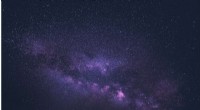
* Away from city lights: Light pollution from cities washes out the faint glow of the Milky Way. The darker the sky, the better.
* Away from the moon: A full moon can also make it difficult to see the Milky Way.
* In the Southern Hemisphere: The Milky Way is more prominent in the Southern Hemisphere, particularly during the winter months.
2. Time of year:
* Summer in the Northern Hemisphere: The Milky Way is visible in the Northern Hemisphere during the summer months, but it's best seen in the late evening.
* Winter in the Southern Hemisphere: The Milky Way is visible in the Southern Hemisphere during the winter months, but it's best seen in the early morning.
3. Time of night:
* After midnight: The Milky Way is usually best seen after midnight, when the part of the sky where it's located is facing away from the sun.
4. Weather conditions:
* Clear skies: Clouds will obscure the Milky Way.
* Dark nights: A clear, dark night is essential to see the Milky Way.
Important Note: The visibility of the Milky Way can vary depending on your location and the time of year. It's best to consult a star chart or online resource to determine the best time and place to see it in your area.