1. Visible Light:
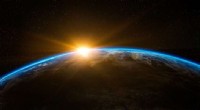
* What it is: Electromagnetic radiation that our eyes can see. It's the range of colors we perceive in a rainbow.
* Energy: Has a moderate energy level.
* Effects: Provides light and warmth, crucial for plant photosynthesis and life on Earth.
2. Infrared Radiation:
* What it is: Electromagnetic radiation with longer wavelengths than visible light. We feel it as heat.
* Energy: Lower energy than visible light.
* Effects: Warms the Earth's surface and atmosphere. It's also used in technologies like thermal imaging.
3. Ultraviolet Radiation (UV):
* What it is: Electromagnetic radiation with shorter wavelengths than visible light.
* Energy: Higher energy than visible light.
* Effects: Can cause sunburn, skin cancer, and damage to the eyes. However, it also plays a role in vitamin D production.
Here's a table summarizing the key differences:
| Radiation Type | Wavelength | Energy Level | Effects |
|---|---|---|---|
| Visible Light | Moderate | Moderate | Provides light and warmth, photosynthesis |
| Infrared Radiation | Long | Low | Heat, thermal imaging |
| Ultraviolet Radiation | Short | High | Sunburns, skin cancer, vitamin D production |
In summary, the three forms of radiation differ in their wavelengths, energy levels, and effects on Earth and living organisms.