Temperature Extremes:
* Daytime: Mercury experiences scorching daytime temperatures, reaching up to 430°C (800°F) at its equator due to the Sun's proximity. This heat is enough to melt lead.
* Nighttime: On the other hand, due to the lack of atmosphere to trap heat, Mercury experiences frigid nighttime temperatures plummeting to -180°C (-290°F). This extreme temperature swing is the largest in the solar system.
Surface Features:
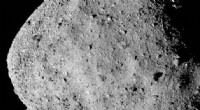
* Cratered Landscape: Mercury's surface is heavily cratered, a testament to the constant bombardment of asteroids and comets throughout its history. These impacts cause immense heat and melt the surface, forming smooth plains.
* Scarps: The planet's surface also exhibits large, steep cliffs called scarps. These are thought to be formed by the planet's slow cooling and shrinking, which causes the surface to wrinkle.
* Thin Atmosphere (Exosphere): Due to the intense solar radiation, Mercury has a very thin atmosphere called an exosphere. It's so thin that it barely counts as an atmosphere, and particles constantly escape into space.
* Volcanic Activity: While currently dormant, evidence suggests past volcanic activity on Mercury. The planet's surface shows evidence of ancient lava flows and volcanic plains.
Impact on Composition:
* Evaporation: The intense heat causes some volatile materials, such as water ice, to evaporate and escape into space.
* Chemical Reactions: The intense radiation can trigger chemical reactions in the surface materials, leading to changes in their composition.
Other Effects:
* Solar Wind Erosion: Mercury experiences constant bombardment from the Sun's solar wind, which erodes the surface over time.
* Magnetic Field: Despite its small size, Mercury has a weak magnetic field that interacts with the solar wind, creating a magnetosphere that protects the planet from some of the solar wind's effects.
Overall, the intense heat and radiation from the Sun have played a crucial role in shaping Mercury's surface, creating its unique and extreme landscape. It's a world of contrasts, from scorching heat to freezing cold, and a fascinating example of how a planet can be profoundly affected by its star.