1. Birthplace of Stars: Nebulae are the cosmic nurseries where stars are born. They are massive clouds of gas and dust, primarily hydrogen and helium, which collapse under their own gravity. This collapse creates heat and pressure, eventually igniting nuclear fusion at the core and giving birth to a new star.
2. Formation of Planetary Systems: As stars form within nebulae, they often gather surrounding material into disks. These disks, rich in dust and gas, are the birthplaces of planets, moons, asteroids, and comets.
3. Clues to the Universe's Past: Studying nebulae allows us to understand the conditions and processes that shaped the early universe. By analyzing the composition and structure of nebulae, we can learn about the building blocks of the cosmos.
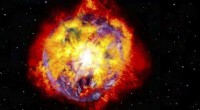
4. Sources of New Elements: The intense heat and pressure within a star create the perfect conditions for nuclear fusion, which transforms lighter elements like hydrogen and helium into heavier elements like carbon, oxygen, and iron. These elements are then ejected back into space by stellar winds or supernova explosions, contributing to the formation of new nebulae and future generations of stars.
5. Beautiful and Inspiring Objects: Nebulae are some of the most visually stunning objects in the universe, their swirling colors and intricate shapes capturing our imagination. Their beauty serves as a constant reminder of the vastness and wonder of the cosmos.
6. Objects of Ongoing Research: Nebulae continue to be a focus of intense scientific study, with new observations and theories constantly advancing our understanding of star formation, planetary evolution, and the chemical composition of the universe.
In essence, nebulae are vital for understanding the evolution of the universe. They are the cradles of stars and planetary systems, the remnants of stellar death, and sources of new elements. Their study provides valuable insights into the past, present, and future of the cosmos.