Constellations:
* These are patterns of stars that humans have connected together to form recognizable shapes, like Orion, Ursa Major (the Big Dipper), and Gemini. These are not real groupings of stars, but rather just how we perceive them from Earth.
Asterisms:
* These are smaller, less formal patterns of stars, like the Big Dipper within Ursa Major, or the Summer Triangle.
Star Clusters:
* These are groups of stars that are actually physically bound together by gravity. There are two main types:
* Open Clusters: Relatively loose, young clusters of stars that formed together from the same cloud of gas and dust.
* Globular Clusters: Dense, tightly packed clusters of very old stars.
Galaxies:
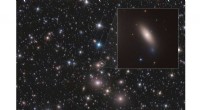
* While we don't usually see individual stars within other galaxies, some galaxies, like Andromeda, are visible as faint smudges in the night sky. They contain billions of stars.
Other possibilities:
* It's possible you're thinking of something else entirely, like a meteor shower, where many meteors appear to come from a single point in the sky.
To help me understand what you're thinking of, could you tell me:
* What does this pattern of stars look like? (e.g., shape, size, brightness, etc.)
* Where in the sky did you see it? (e.g., north, south, east, west, near a specific constellation)
* When did you see it? (e.g., time of year, time of night)
With more information, I can better understand what you're describing and give you a more specific answer.