1. Spectroscopy
* Concept: This is the primary method. We analyze the light from stars to determine their composition. Stars emit light at specific wavelengths that correspond to the elements present in their atmosphere.
* Instruments:
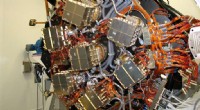
* Spectrographs: These instruments split starlight into its component wavelengths, creating a spectrum.
* Telescopes: Telescopes gather the light from stars and direct it into spectrographs.
* Space Telescopes: Observing from space eliminates atmospheric distortion and allows access to a wider range of wavelengths. Examples include Hubble Space Telescope, James Webb Space Telescope.
2. Photometry
* Concept: This method measures the brightness of stars at different wavelengths.
* Instruments:
* Photometers: These instruments measure the intensity of light at specific wavelengths.
* Telescopes: Telescopes collect the light from stars and direct it into photometers.
3. Interferometry
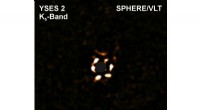
* Concept: This technique combines the light from multiple telescopes to achieve a much higher resolution. This helps us study the details of star surfaces and atmospheres.
* Instruments:
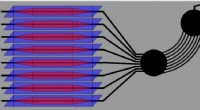
* Interferometers: These systems use multiple telescopes working together.
* Adaptive Optics: This technology corrects for atmospheric distortion, further enhancing the resolution of interferometers.
What information do these methods reveal about star composition?
* Element Abundance: By analyzing the spectrum of light, astronomers can identify the presence of different elements and their relative abundance.
* Temperature: The color of a star and the strength of certain spectral lines indicate its surface temperature.
* Star Age: Spectral analysis reveals information about the star's evolutionary stage, which can help determine its age.
* Motion and Distance: The Doppler shift of spectral lines reveals the star's radial velocity (motion towards or away from us), and the parallax method uses measurements of a star's apparent position at different times of the year to calculate its distance.
Important Note: While these methods are powerful, they provide information about the *surface composition* of stars. It's difficult to directly probe the deep interiors of stars.
Let me know if you'd like to delve deeper into any of these techniques or aspects of star composition!