1. Solar Eclipse:
* Alignment: Sun - Moon - Earth
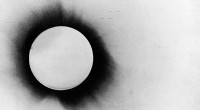
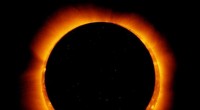
* What happens: The Moon passes directly between the Sun and Earth, blocking the Sun's light from reaching a portion of Earth. This creates a shadow on Earth, resulting in a total or partial solar eclipse.
* Consequences:
* Total solar eclipse: For a few minutes, the sky becomes dark as if it were night, and stars may become visible. Temperatures drop slightly.
* Partial solar eclipse: The Sun appears partially covered by the Moon, resulting in a crescent shape. This is generally less dramatic but still a fascinating sight.
* Frequency: Total solar eclipses occur at a specific location on Earth about once every 375 years. However, partial solar eclipses are more common.
2. Lunar Eclipse:
* Alignment: Sun - Earth - Moon
* What happens: The Earth passes directly between the Sun and Moon, casting its shadow on the Moon. This causes the Moon to appear reddish, hence the name "blood moon."
* Consequences:
* Total lunar eclipse: The entire Moon is covered in Earth's shadow, causing a reddish hue.
* Partial lunar eclipse: Only a portion of the Moon is covered by Earth's shadow.
* Frequency: Lunar eclipses are more common than solar eclipses, happening about two to four times a year.
3. Spring Tides:
* Alignment: Sun - Earth - Moon (or Sun - Moon - Earth)
* What happens: The gravitational forces of the Sun and Moon combine to create stronger than usual tides, known as spring tides.
* Consequences: Higher high tides and lower low tides. This can lead to flooding in coastal areas and increased erosion.
* Frequency: Occurs during new moon and full moon phases when the Sun, Earth, and Moon are aligned.
4. Neap Tides:
* Alignment: Sun - Earth - Moon (or Sun - Moon - Earth)
* What happens: The Sun and Moon's gravitational forces pull at right angles to each other, resulting in weaker tides, known as neap tides.
* Consequences: Lower high tides and higher low tides.
* Frequency: Occurs during quarter moon phases when the Sun, Earth, and Moon are at a 90-degree angle.
It's important to note:
* The alignment isn't perfectly precise every time. The Moon's orbit is tilted slightly, so these events don't happen every time the Sun, Earth, and Moon are in line.
* Observing a solar eclipse requires special eye protection to prevent serious eye damage. Never look directly at the Sun during a solar eclipse without proper equipment.