Why it's different:
* Different constellations: The constellations you see in the Southern Hemisphere are completely different from the ones in the Northern Hemisphere. This is because the Earth is tilted on its axis, and so we see different parts of the sky depending on our location.
* The Milky Way: The Milky Way galaxy, our home galaxy, stretches across the Southern Hemisphere sky. This makes for some truly stunning views, especially in dark locations away from light pollution.
* Unique stars and objects: You'll see celestial objects that are only visible from the Southern Hemisphere, such as the Southern Cross, the Magellanic Clouds, and the Jewel Box star cluster.
Things to look for:
* The Southern Cross: This iconic constellation is easy to spot and is a good starting point for finding your way around the Southern Hemisphere sky.
* The Magellanic Clouds: These two dwarf galaxies are visible to the naked eye and are a must-see for any stargazer.
* The Jewel Box star cluster: This beautiful cluster of stars is located in the constellation Carina and is a sight to behold through binoculars or a telescope.
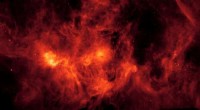
* The Carina Nebula: This huge, glowing nebula is one of the largest and most spectacular in the sky.
* The Coalsack Nebula: This dark nebula is easily visible to the naked eye and is a beautiful sight against the backdrop of the Milky Way.
* The Southern Pleiades: This star cluster is similar to the Pleiades in the Northern Hemisphere, but with a slightly different appearance.
Tips for Southern Hemisphere stargazing:
* Find a dark location: Light pollution can make it difficult to see the stars, so try to find a location away from city lights.
* Use a star chart: This will help you identify the constellations and other celestial objects.
* Bring binoculars or a telescope: These will allow you to see more detail in the stars and other objects.
* Dress warmly: The nights can be cold, even in summer.
* Be patient: It takes time for your eyes to adjust to the darkness, so don't expect to see everything right away.
Some of the best places for stargazing in the Southern Hemisphere:
* Atacama Desert, Chile: This desert is one of the driest and darkest places on Earth, making it an ideal location for stargazing.
* Uluru, Australia: This iconic rock formation is located in a remote area with little light pollution.
* Mauna Kea, Hawaii: This dormant volcano is home to several observatories and offers stunning views of the night sky.
* New Zealand: This island nation is known for its dark skies and remote locations.
* South Africa: This country has several national parks and nature reserves that offer excellent stargazing opportunities.
Stargazing in the Southern Hemisphere is an unforgettable experience, and you're sure to see some of the most stunning celestial objects in the world!