Composition:
* Venus: 96.5% carbon dioxide, 3.5% nitrogen, trace amounts of other gases.
* Earth: 78% nitrogen, 21% oxygen, 1% other gases (including argon, carbon dioxide, neon, helium, etc.).
Density:
* Venus: 90 times denser than Earth's atmosphere.
* Earth: Much less dense, with a pressure at sea level of 1 atmosphere.
Pressure:
* Venus: Surface pressure is about 92 times that of Earth's, equivalent to being 900 meters (3000 feet) underwater on Earth.
* Earth: Surface pressure varies slightly depending on altitude and weather, but is generally around 1 atmosphere.
Temperature:
* Venus: Average surface temperature is 464°C (867°F), due to the runaway greenhouse effect.
* Earth: Average surface temperature is 15°C (59°F), with significant variation depending on location and season.
Clouds:
* Venus: Thick, opaque clouds composed primarily of sulfuric acid.
* Earth: Water vapor clouds, along with other types of clouds like cirrus, cumulus, and stratus.
Wind:
* Venus: Slow surface winds, but upper atmosphere winds can reach speeds of up to 360 km/h (220 mph).
* Earth: Surface winds vary significantly depending on location and weather, with winds ranging from gentle breezes to powerful storms.
Other Differences:
* Venus: No liquid water on the surface, and extremely dry atmosphere.
* Earth: Abundant liquid water on the surface, and a humid atmosphere.
* Venus: No magnetic field, leading to direct exposure to solar wind.
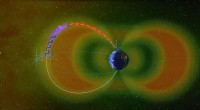
* Earth: Strong magnetic field, protecting the planet from harmful solar radiation.
The Greenhouse Effect:
The dense carbon dioxide atmosphere on Venus traps heat from the Sun, leading to a runaway greenhouse effect that makes the planet incredibly hot. Earth also experiences a greenhouse effect, but it is a much more moderate effect due to a less dense atmosphere and a lower concentration of greenhouse gases.
In Summary:
Venus's atmosphere is a hostile environment, characterized by extreme pressure, heat, and toxic gases. It stands in stark contrast to Earth's atmosphere, which is conducive to life as we know it.