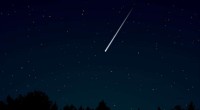
* Asteroids:
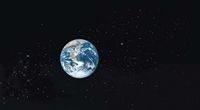
* Composition: Made of rock, metal, and sometimes ice.
* Size: Much smaller than planets, ranging from a few meters to hundreds of kilometers across.
* Light source: Do not produce their own light. They reflect sunlight.
* Location: Orbit the sun, mostly found in the asteroid belt between Mars and Jupiter.
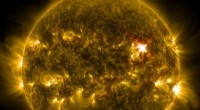
* Stars:
* Composition: Giant balls of hot gas, mostly hydrogen and helium.
* Size: Vastly larger than planets, ranging from a few times the size of Earth to thousands of times larger.
* Light source: Produce their own light through nuclear fusion reactions in their core.
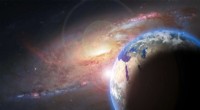
* Location: Scattered across the universe, forming galaxies.
In short: Asteroids are small, rocky objects that orbit the Sun. Stars are giant balls of hot gas that produce their own light. They are entirely different in terms of composition, size, light source, and location.