Scientific advancements:
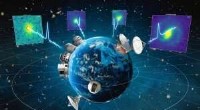
* Astronomy research: Telescopes are essential tools for astronomers to study celestial objects, unravel the mysteries of the cosmos, and discover new planets, stars, and galaxies. This research helps us understand our place in the universe, the origins of life, and the laws of physics.
* Space exploration: Telescopes are used to observe distant objects in space, providing data for space missions, planning future explorations, and even helping us understand the potential for life beyond Earth.
Educational and recreational benefits:
* Learning and exploration: Telescopes allow us to explore the night sky, observe planets, stars, and nebulae, and learn about the vastness and wonders of the universe. This can be a fascinating and educational experience for people of all ages.
* Hobby and enjoyment: Many people enjoy stargazing as a hobby, and telescopes provide a way to observe celestial objects in greater detail.
* Inspiration and wonder: Looking through a telescope can be an awe-inspiring experience, reminding us of the beauty and mystery of the universe and inspiring us to explore further.
Beyond direct observation:
* Communication: Telescopes are also used for communication, such as satellite communication, allowing us to connect with people around the world.
While telescopes don't solve everyday problems, they offer a unique perspective on our place in the universe, contribute to scientific advancements, and inspire a sense of wonder and exploration.