Here's a breakdown:
Telescope Objective Lens:
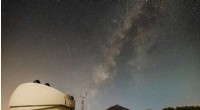
* Purpose: To gather light from distant objects.
* Scale: Observing objects millions of kilometers away.
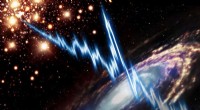
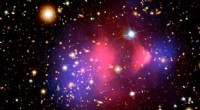
* Large Diameter: A larger diameter objective lens captures more light, allowing the telescope to see fainter objects and provide a brighter image. This is crucial for observing distant stars, galaxies, and planets.
Microscope Objective Lens:
* Purpose: To magnify tiny objects close to the lens.
* Scale: Observing objects on the order of micrometers (millionths of a meter).
* Small Diameter: Microscope objectives are relatively small because they are designed to focus light on a very small area, the sample being observed. This allows for high magnification and resolution, revealing details that are invisible to the naked eye.
In Summary:
The size of the objective lens depends on the scale of the objects being observed and the amount of light needed to view them. Telescopes need larger lenses to gather enough light from distant objects, while microscopes use smaller lenses to focus on tiny, close-up objects.