The Life Cycle of a High Mass Star:
1. Fusion in the Core: High mass stars (8 times the mass of our Sun or greater) have immense gravity, forcing their cores to fuse hydrogen into helium at extremely high temperatures and pressures.
2. Fusion of Heavier Elements: As the core runs out of hydrogen, it contracts, heating up and initiating the fusion of heavier elements like carbon, oxygen, neon, silicon, and finally, iron.
3. Iron Core Formation: Iron is the most stable element, and its fusion doesn't release energy, it absorbs it. This leads to a buildup of iron in the core.
4. Core Collapse: When the iron core reaches a certain mass, it collapses under its own gravity in a fraction of a second, triggering a catastrophic chain of events.
5. Supernova Explosion: The collapse creates a shockwave that travels outward through the star, violently ejecting its outer layers into space at incredibly high speeds. The explosion releases an immense amount of energy, outshining entire galaxies for a brief period.
The Aftermath:
* Supernova Remnant: The expanding material from the supernova explosion forms a beautiful and intricate cloud of gas and dust called a supernova remnant.
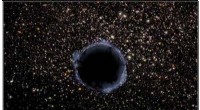
* Neutron Star or Black Hole: Depending on the star's initial mass, the core can collapse further to form a dense, rapidly rotating neutron star or a black hole, where gravity is so strong that not even light can escape.
Key Features of a Supernova Explosion:
* Intense Brightness: Supernovae are incredibly bright, often outshining entire galaxies for a short time.
* Radiation Release: They release vast amounts of energy in the form of light, heat, and neutrinos.
* Element Production: Supernovae are responsible for the creation of many of the heavier elements in the universe, including gold, platinum, and uranium.
In Summary: The life and death of a high-mass star is a powerful spectacle that plays a vital role in the evolution of galaxies and the distribution of elements throughout the universe.